Tag: Re-Reading Sacrosanctum Concilium
-
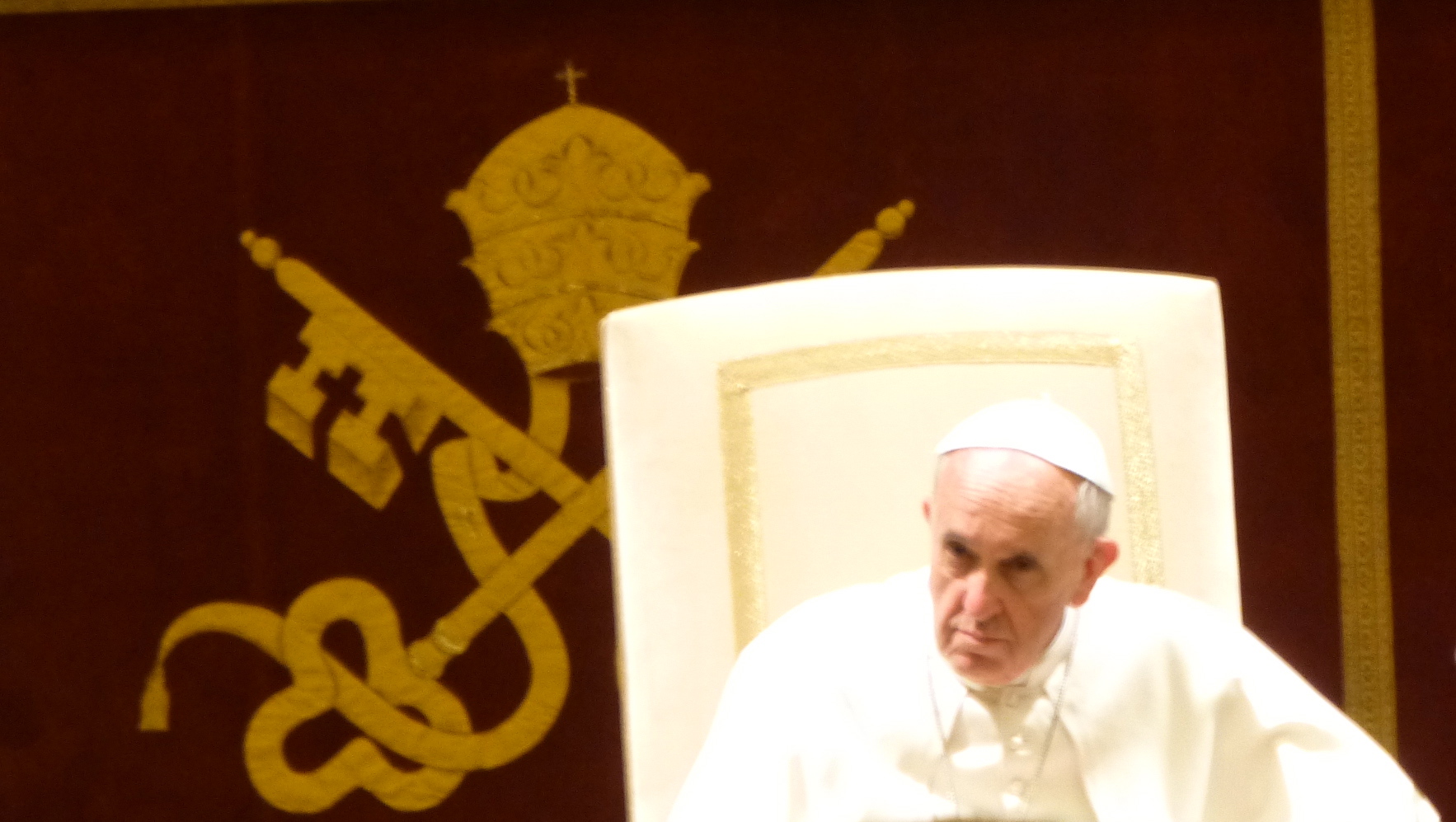
Desiderio desideravi
Welcomed with anticipation, the Apostolic Exhortation Desiderio Desideravi by Pope Francis delivers less and different than its address to the “people of God” promises. A critical analysis shows: The overdue liturgical formation of all “dear sisters and brothers” is not the focus, but rather the cultivation of an “educated” spirituality and ars celebrandi of the…
-
Breaking News: Pope Francis on Liturgical Music
Some brief comments on Pope Francis’ address to the participants of a congress on liturgical music.
-
Re-Reading Sacrosanctum Concilium: Article 61
Perhaps the most important assertion in the article is the claim that the Sacraments and Sacramentals draw their (spiritual) power from the Paschal Mystery, here described as the Passion, Death and Resurrection of Christ, although in other contexts this mystery may also be described as comprising the Ascension and Sending of the Holy Spirit as…
-
Re-Reading Sacrosanctum Concilium: Article 56
The two parts that, in a certain sense, stand together as the Mass – none other than the liturgy of the word and the eucharistic liturgy – are so closely connected with each other that they accomplish one act of worship.
-
Re-Reading Sacrosanctum Concilium: Article 55
The more perfect participation in the Mass by which the faithful, after the Communion of the priest, receive the Body of the Lord from the same sacrifice, is strongly commended.
-
Re-Reading Sacrosanctum Concilium: Article 51
Article 51 decrees that the Roman Rite liturgy is to be reviewed and reformed in such a way that more biblical material is made available to worshipers.
-
Re-Reading Sacrosanctum Concilium: Article 50
Article 50 begins a set of reform decrees dedicated to that end. This article is the most far-reaching, with subsequent articles concentrating on particular aspects of reform of the Order of Mass.
-
Re-Reading Sacrosanctum Concilium: Article 49
It should be noted that the ultimate justification for the liturgical reforms proposed by the Council Fathers is that “the sacrifice of the Mass…may achieve the fullest pastoral efficacy.” In other words, the reforms are not intended as exercises in antiquarian recovery, as restless desires for novelty, as inculcations of particular theological or political agenda,…
-
Re-Reading Sacrosanctum Concilium: Article 48
The importance of this article for the reform of the celebrational structures of Roman Rite Eucharist cannot be overestimated.